
IN THE STUDIO WITH LEAH PHILLIPS
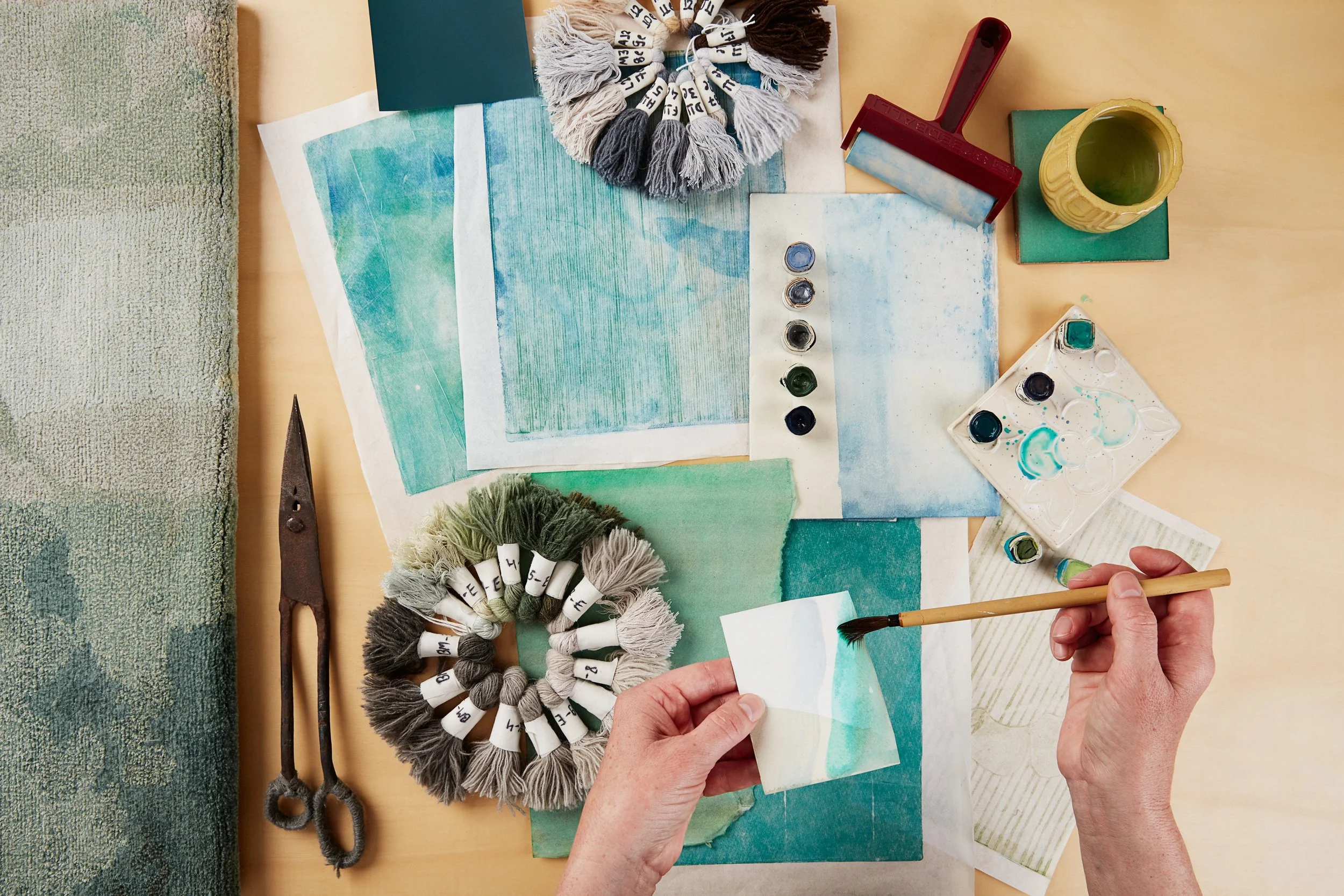
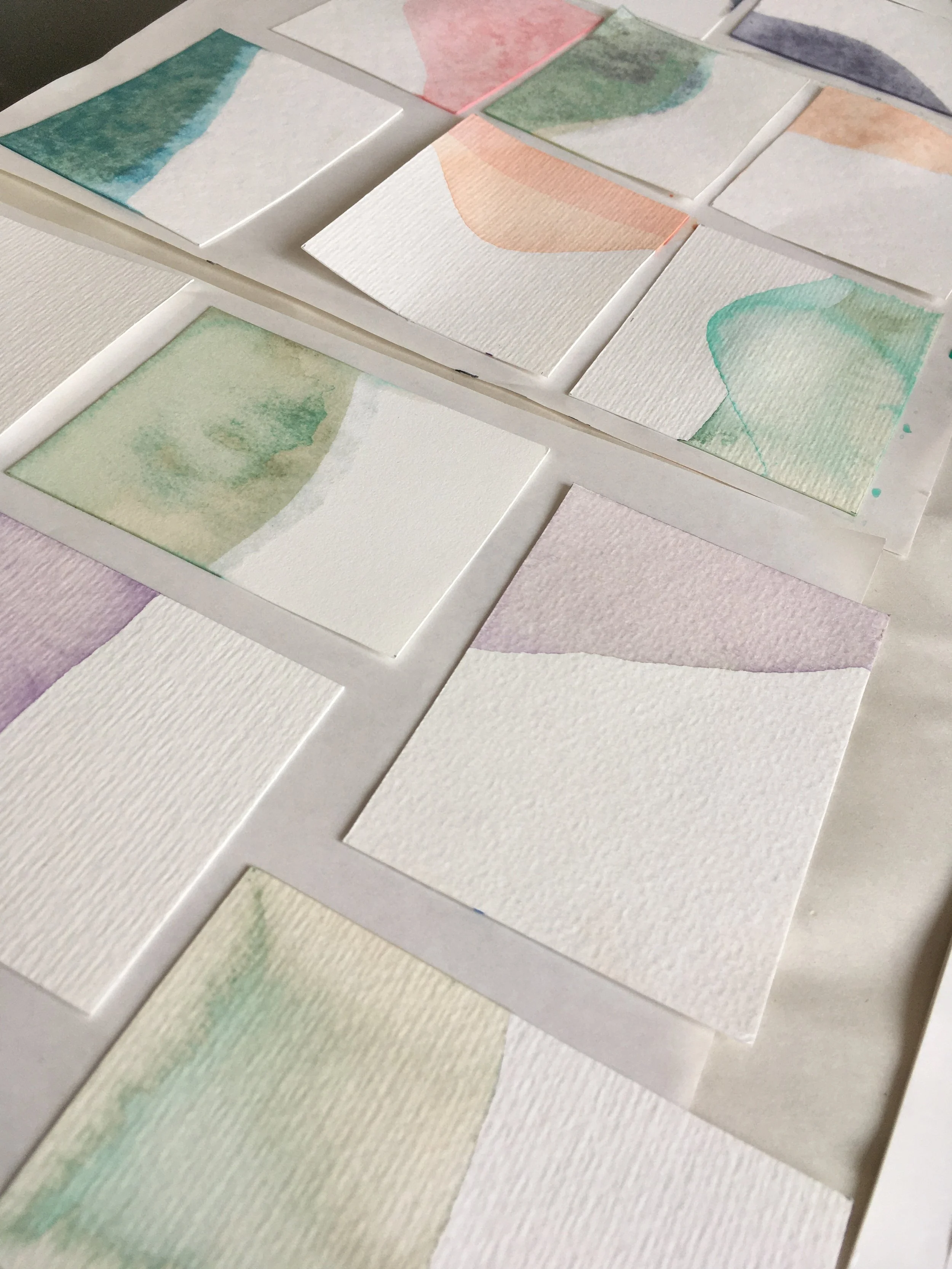
Leah Phillips creating artwork in the studio.
Before choosing fibre, weaving, or constructing, and before the loom translates an idea into materials form, there is simply a mark on paper. For designer Leah Phillips, carpet design begins here, in the studio through the physical act of working by hand.
“When you’re working by hand, decisions get made for you,” Leah Phillips, Art Director, Creative Matters
Leah’s design process is guided by an intuitive relationship between mood and medium. Rather than beginning every project the same way, she selects the artistic approach that best conveys the feeling she wants the design to carry. A calm, atmospheric carpet might begin with watercolour, allowing colour to move softly across the page, while a more geometric composition may start with deliberate line work using a different medium. For Leah, each material brings its own character to the work, shaping how gesture, rhythm and structure appear in the final composition. This sensitivity to medium is one of the reasons she continues to work physically and analog-first in the studio. Her approach is rooted in embracing the distinct qualities that paint, pencil and mark-making bring to the creative process.
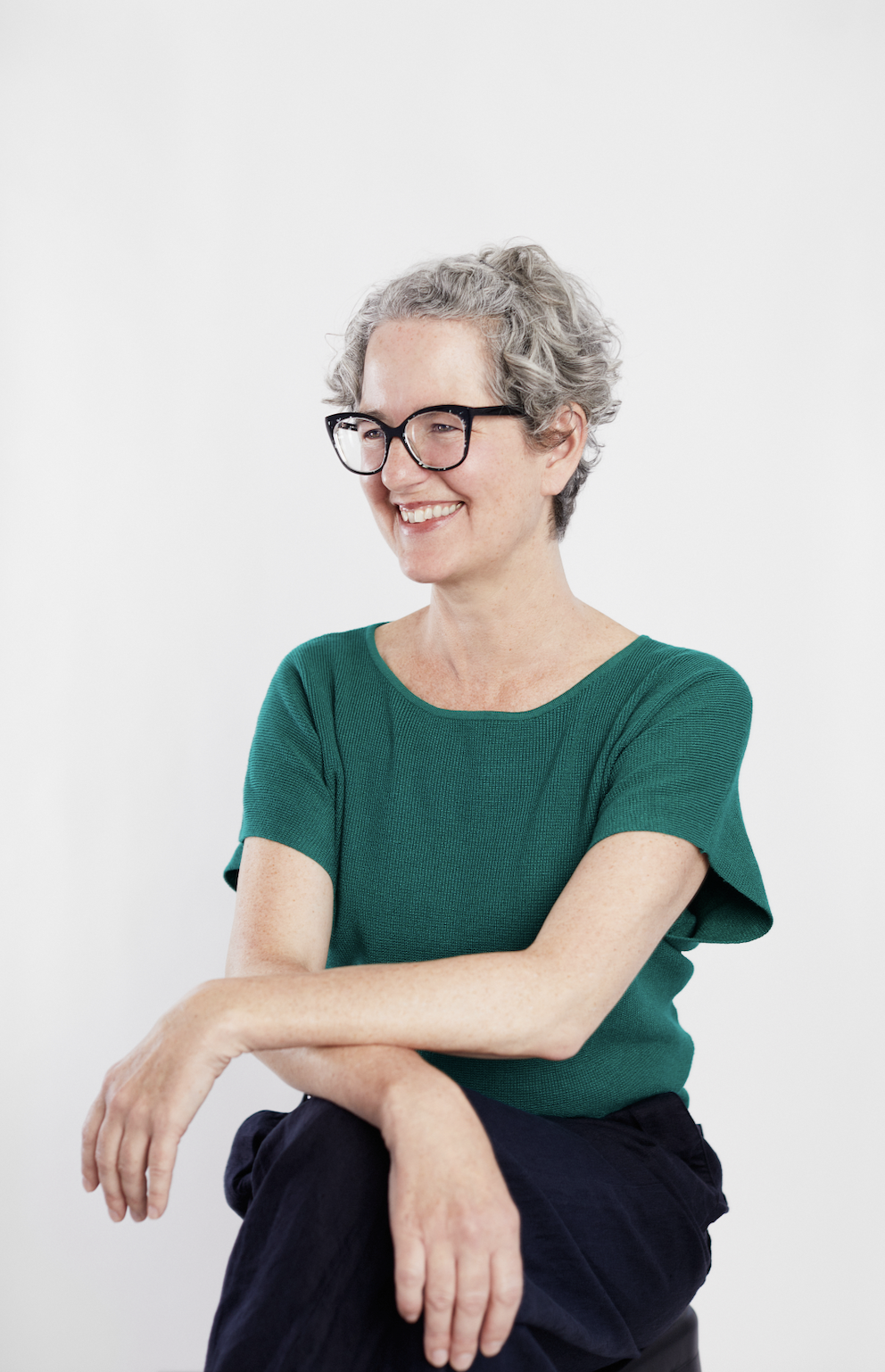
Watercolour artworks by Leah Phillips.
FROM STUDIO ARTWORK TO ARCHITECTURAL MATERIAL
For Leah, translating a studio artwork into a carpet is a process that balances artistic intention with technical understanding. As she develops a design, she is already considering the colour palette and how it will correspond with the yarns selected for the final piece.
“Often you’ve already chosen your colour poms while you’re working,” she explains. “You have those colours in mind, and you can always adjust the artwork to match the yarns that have been chosen.”
Construction also plays a critical role. Each technique, whether hand-knotted, hand-tufted or woven-Axminster, requires the artwork to be translated differently so the mill can produce it accurately. Rather than seeing these factors as constraints, Leah approaches them as part of the creative process.
“Once you know the construction, you work in a way that stays true to the artwork but also uses the construction in the best way possible to express the feeling of the design,” she says.
The goal is harmony. A finished carpet that quietly anchors the room and brings its elements into balance.
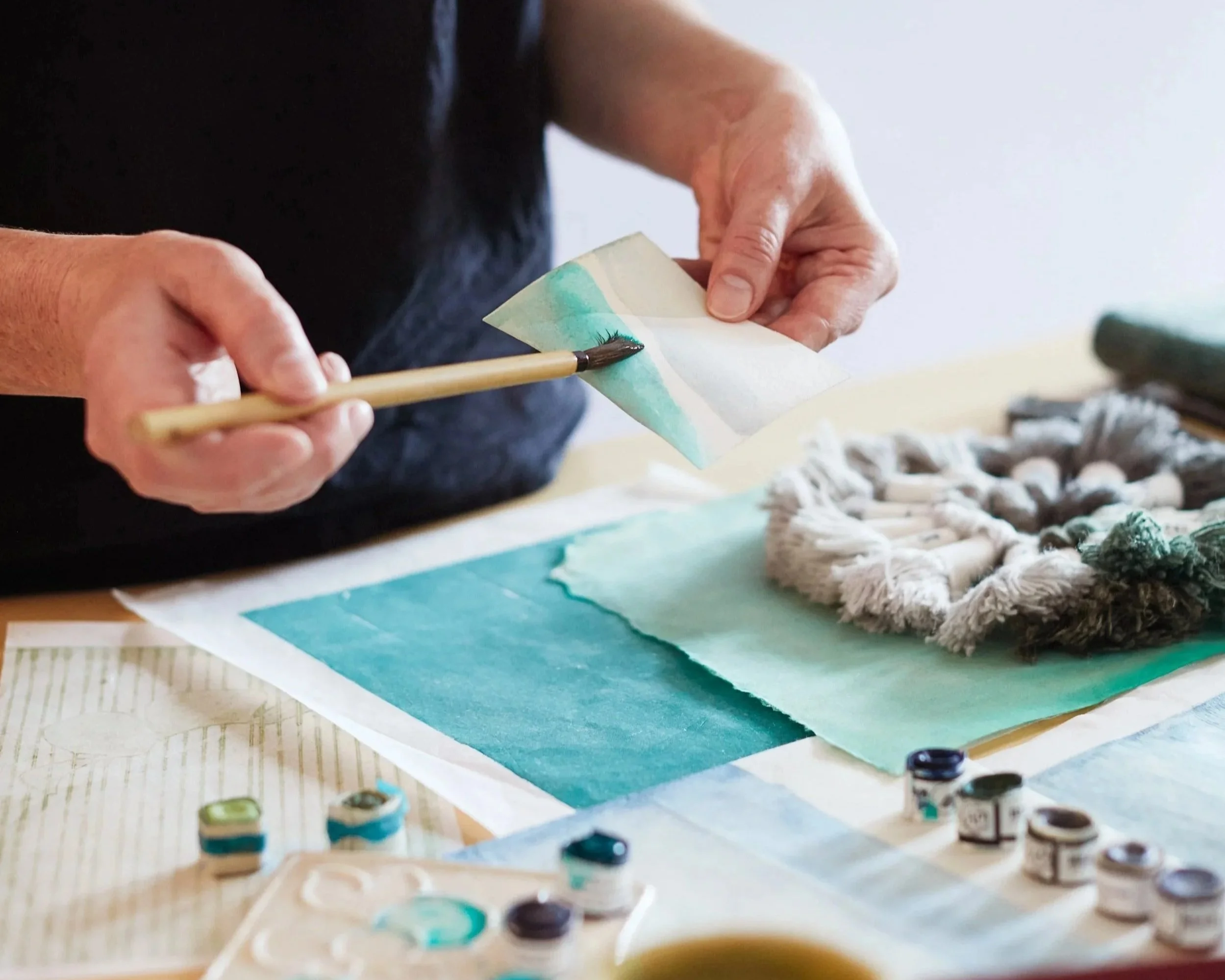
Leah Phillips creating artwork in the studio.
DESIGN THAT ENDURES
Some designs resonate far beyond their initial launch. Orchestra, from the XXV collection, continues to receive requests more than a decade after its introduction, a testament to the enduring power of these designs.
“Orchestra really came out of one of our Art Days, where the whole team was working together around a shared theme,” says Leah. “The process was incredibly enjoyable, the palette was beautiful, and there was a lot of collaboration across the collection. I think Orchestra, along with some of the other designs from that series, carries a kind of vintage elegance that has helped it endure. They’re really timeless. Every time I show that design to clients, there’s an immediate reaction — people always love it. It has this balance of calm and movement, with light and dark working together, and the shimmer of silk that changes as you walk around the room. It just suits so many different spaces.”
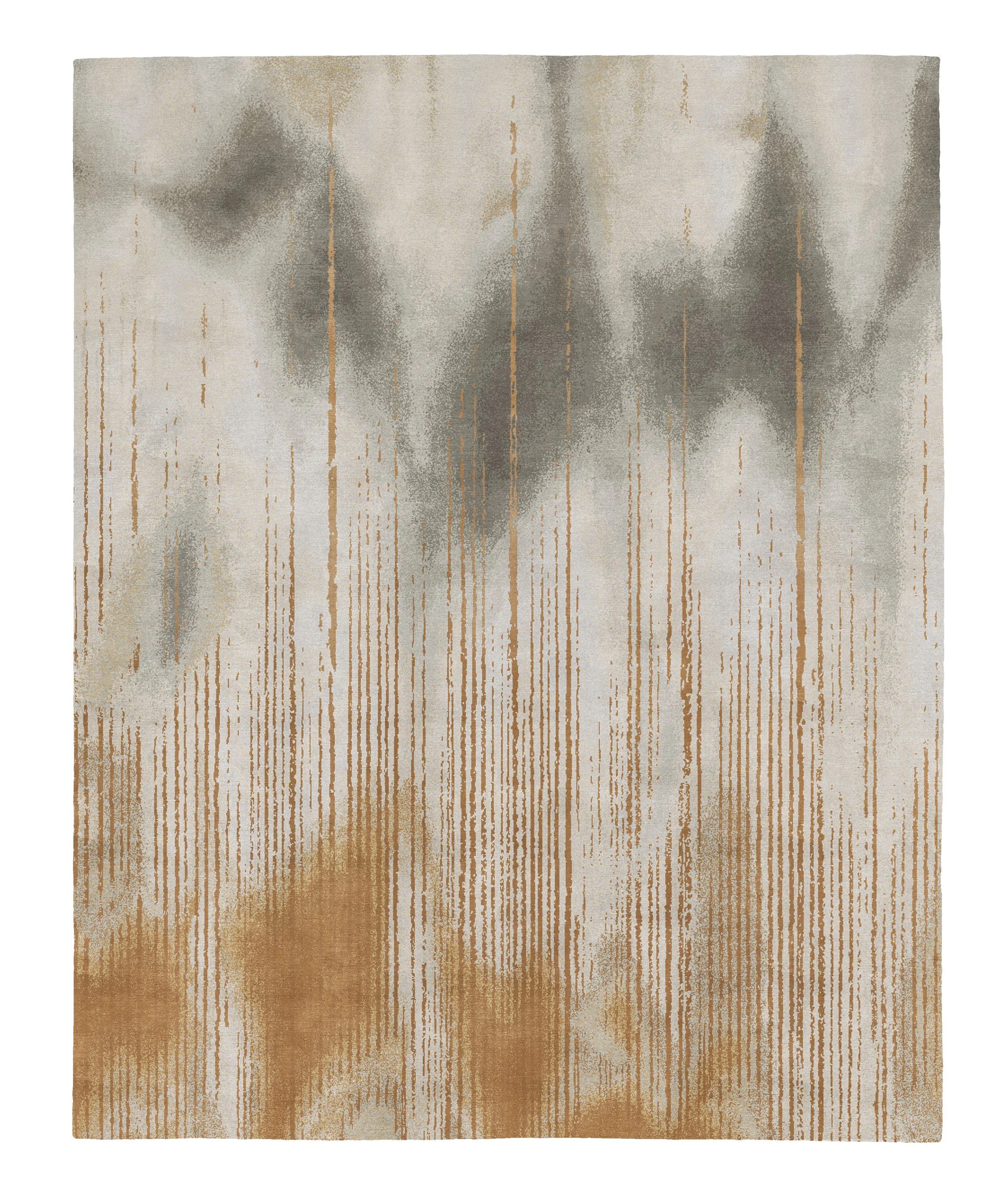
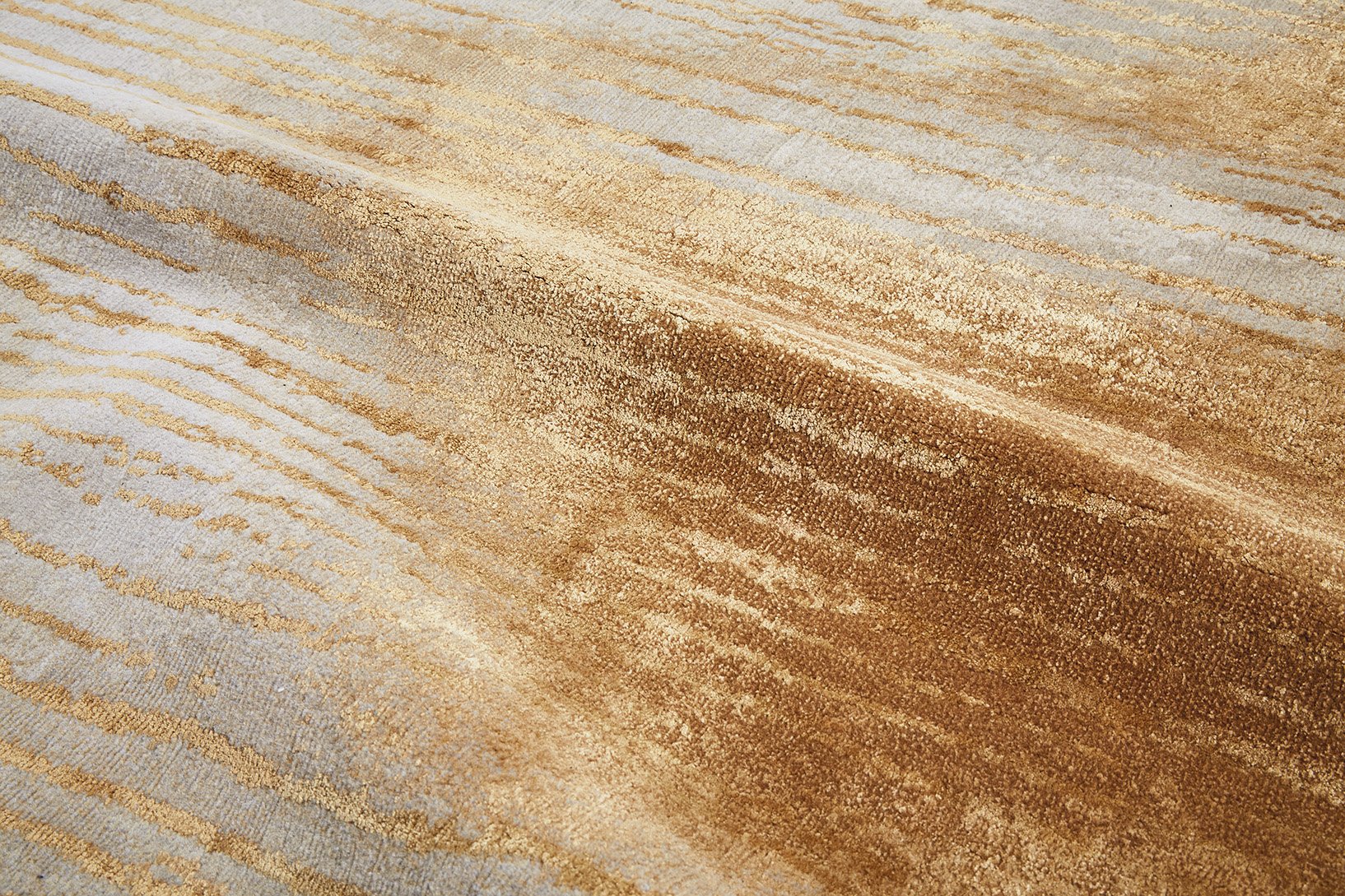
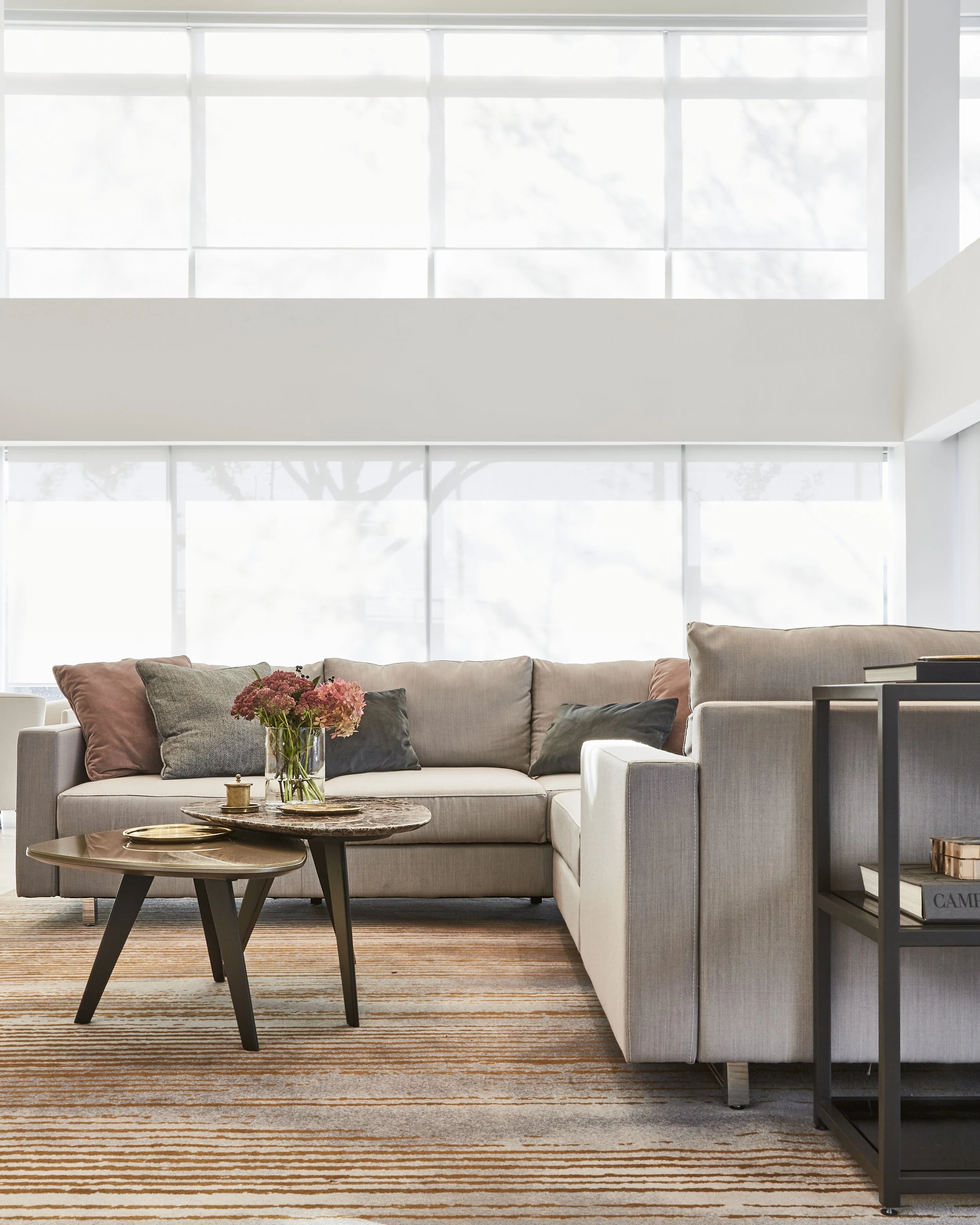
Orchestra Dark from the XXV Collection. Installation in collaboration with Lauren Miller.
Similarly, Alto from the Sonance collection remains a favourite. These designs evoke the atmosphere of tinted photographs, captured through layered painting and tonal restraint. The process behind it involved extensive experimentation, from painting and scanning to layering and refining the composition, thinking about how it would eventually translate into the final piece.
“When designing a carpet, I’m always thinking about how it will live in a room,” says Leah. “For custom work, we’ll have a floor plan so we can see where everything sits and design with that in mind. You certainly don’t want the most important part of the artwork hidden under a piece of furniture. The carpet is really part of a larger whole, it’s working with the architecture, the furnishings and everything else in the space.”
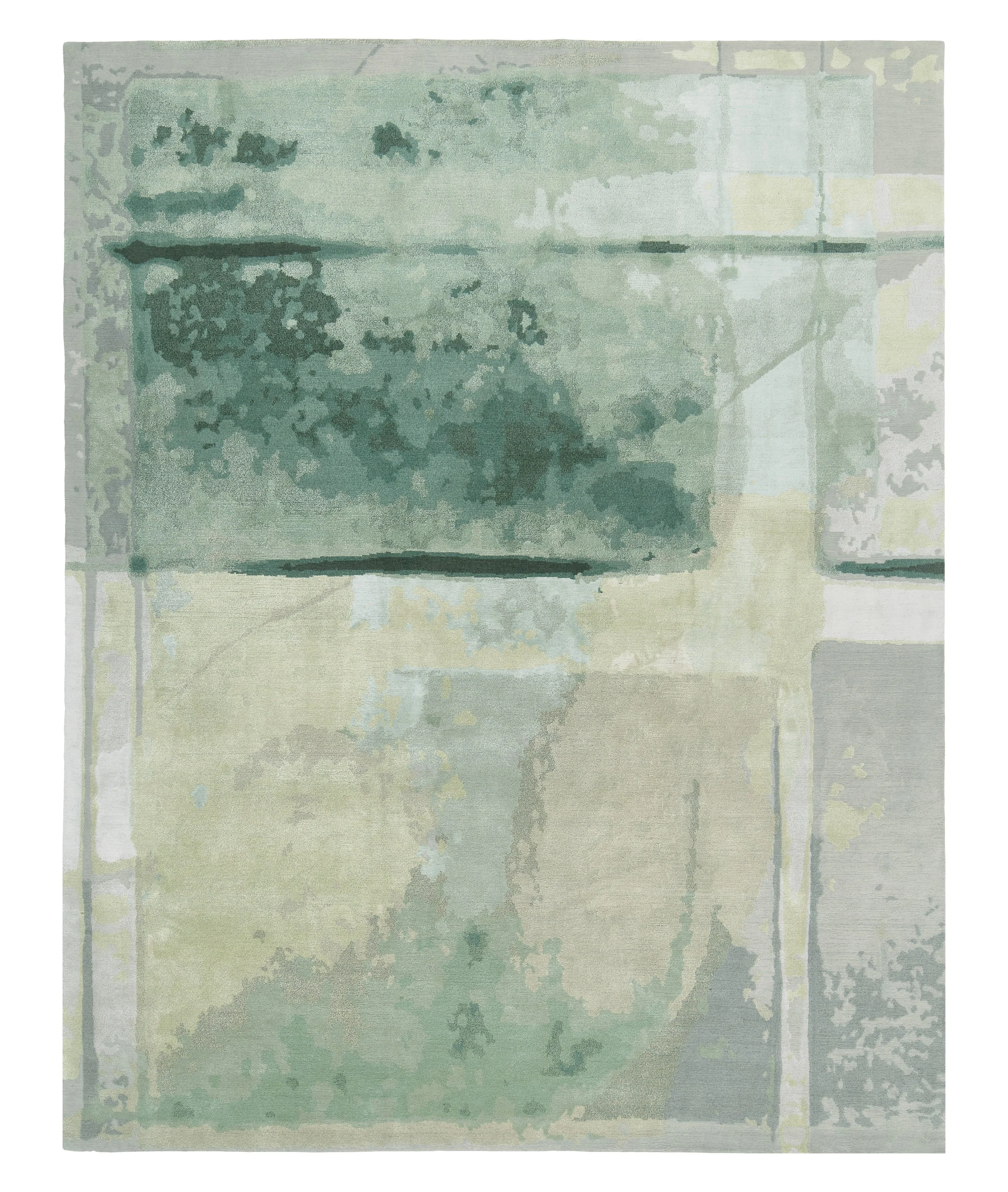
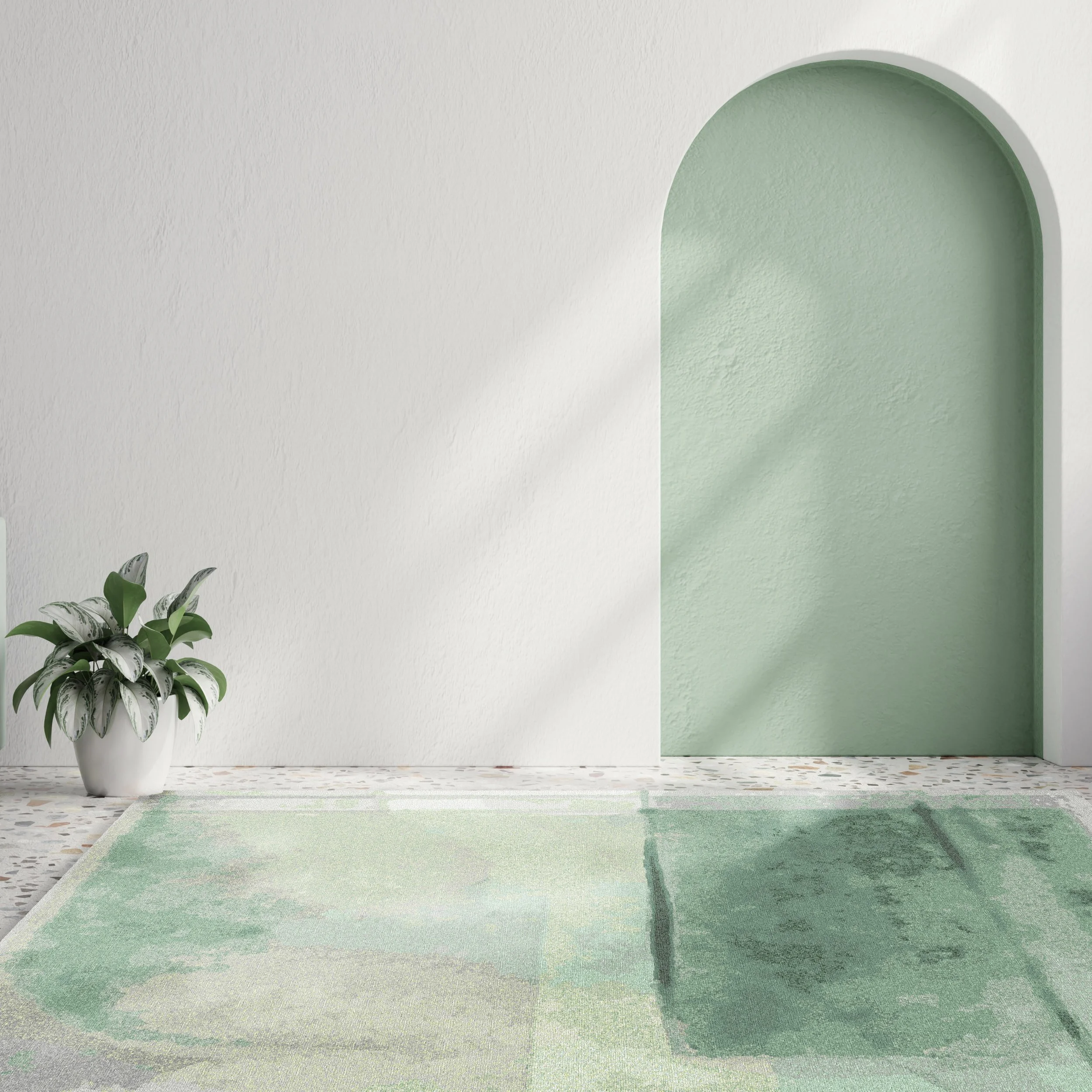
Alto Jade from the Sonance Collection.
A PRACTICE IN EVOLUTION
When Leah first joined Creative Matters nearly eighteen years ago, carpet design was a new discipline for her, though it naturally extended from her previous work as a textile designer. Over time, her practice has grown into a deep understanding of how art, craft, and architecture intersect in textile form.
Today, she approaches her work with a strong sense of clarity, focusing on the aspects of design that feel most energizing and allowing those processes to shape the direction of the work. The result is a practice that continues to evolve while remaining grounded in the tactile studio methods that define her voice.
Looking ahead, Leah is particularly excited about a new tapestry collection currently in development at Creative Matters, a project that promises to explore the relationship between textile, art, and architecture in new ways.